

- Unit 3.1(1): Measuring the level of economic activity
- Unit 3.1(2): Measuring Economic Development
- Unit 3.2(1) Variations in economic activity - aggregate demand
- Unit 3.2(2): Variations in economic activity - aggregate supply
- Unit 3.3(1) Macroeconomic objectives: economic growth
- Unit 3.3(2) Macroeconomic objectives: unemployment
- Unit 3.3(3) Macroeconomic objectives: Inflation and deflation
- Unit 3.4(1) Economics of inequality and poverty
- Unit 3.4(2) Policies to improve equality, equity and poverty
- Unit 3.5 Government management of the economy – monetary policy
- Unit 3.6 Government management of the economy – fiscal policy
- Unit 3.7(1) Market based supply-side policies
- Unit 3.7(2) Interventionist supply side policies
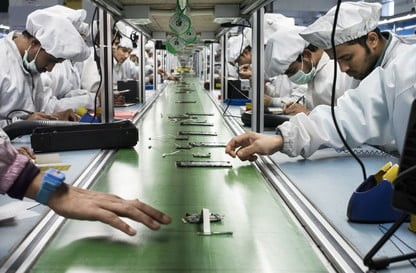
This section of pages covers the Unit 3 macroeconomics section of the IB Economics course.
Unit 3.1(1): Measuring the level of economic activity
This page covers the nature of macroeconomic activity, national income, the circular flow model and measuring GDP and GNI. National income is the money value of a country's output of final goods and services produced in one year. Economic activity...
Unit 3.1(2): Measuring Economic Development
This page covers the nature of economic development, how economic development is measured using real GNI per capita and alternative measures of economic development such as HDI and the World Happiness Report. Economic development can be defined...
Unit 3.2(1) Variations in economic activity - aggregate demand
This page covers the components of aggregate demand: consumption, investment, government expenditure and net exports. The level of economic activity in a country is measured by its real GDP which is determined by the interaction of aggregate...
Unit 3.2(2): Variations in economic activity - aggregate supply
This page covers the nature of aggregate supply, short-run and long-run aggregate supply, the relationship between aggregate supply and the average level and the impact of costs and tax on aggregate supply. The page also covers equilibrium...
Unit 3.3(1) Macroeconomic objectives: economic growth
This page covers the nature of economic growth, actual output and potential output and the costs and benefits of economic growth. Economic growth is the increase in a country’s real GDP over a given time period. Economic growth means the money...
Unit 3.3(2) Macroeconomic objectives: unemployment
This page covers the nature of unemployment, measuring unemployment, the causes of unemployment and the consequences of unemployment. Unemployment is the count of jobless people in a country who are seeking work but who do not have a job. Unemployment...
Unit 3.3(3) Macroeconomic objectives: Inflation and deflation
This page covers the nature of inflation, measuring inflation, the causes of inflation and the consequences of inflation. The page also covers deflation. Inflation is the sustained increase in the general level of prices in an economy. For example,...
Unit 3.4(1) Economics of inequality and poverty
This page covers the difference between equality and equity, measuring inequality, the meaning of poverty, measuring poverty, causes of inequality and poverty and the impact of income and wealth inequality. Definition of equality Equality in...
Unit 3.4(2) Policies to improve equality, equity and poverty
This page covers the policies used to improve equity, equality and poverty. It includes taxation and other forms of government intervention such as minimum wages, education and regulations. Direct tax is a tax on household income and business...
Unit 3.5 Government management of the economy – monetary policy
This page covers the nature of monetary policy, the demand and supply for money, credit creation, interest rates and expansionary and contractionary monetary policy. Monetary policy is where the government uses interest rates and the supply...
Unit 3.6 Government management of the economy – fiscal policy
This page covers the nature of fiscal policy, the multiplier, tax, government expenditure, government borrowing, and expansionary and contractionary monetary policy. Fiscal policy is where the government uses taxation and government expenditure...
Unit 3.7(1) Market based supply-side policies
This page covers market-based supply-side policies and how they might be used to increase economic growth, reduce unemployment and reduce inflation. Market-based policies are where the government creates the conditions in the economy for the...
Unit 3.7(2) Interventionist supply side policies
This page covers interventionist supply-side policies and how they might be used to increase economic growth, reduce unemployment and reduce inflation. An interventionist supply-side policy is where the government is actively involved in the...

Unit 3.1(1): Measuring the level of economic activity
National income is the money value of a country's output of final goods and services produced in one year. Economic activity is where scarce resources are allocated to produce goods and services to satisfy human wants. Macroeconomics is the...


Unit 3.2(1) Variations in economic activity - aggregate demand
This page covers the components of aggregate demand: consumption, investment, government expenditure and net exports. The level of economic activity in a country is measured by its real GDP which is determined by the interaction of aggregate...

Unit 3.2(2): Variations in economic activity - aggregate supply
This page covers the nature of aggregate supply, short-run and long-run aggregate supply, the relationship between aggregate supply and the average level and the impact of costs and tax on aggregate supply. The page also covers equilibrium...

Unit 3.3(1) Macroeconomic objectives: economic growth
This page covers the nature of economic growth, actual output and potential output and the costs and benefits of economic growth. Economic growth is the increase in a country’s real GDP over a given time period. Economic growth means the money...

Unit 3.3(2) Macroeconomic objectives: unemployment
This page covers the nature of unemployment, measuring unemployment, the causes of unemployment and the consequences of unemployment. Unemployment is the count of jobless people in a country who are seeking work but who do not have a job. Unemployment...

Unit 3.3(3) Macroeconomic objectives: Inflation and deflation
Inflation is the sustained increase in the general level of prices in an economy. For example, if an economy has a current rate of inflation of 2.2% it means that on average prices are 2.2% higher now than they were 12 months ago. Disinflation...

Unit 3.3(4): The conflict between macroeconomic objectives(HL)
One of the main macroeconomic policy conflicts governments have is the aim of achieving low inflation and low unemployment at the same time. The conflict can be illustrated by changes in aggregate demand in diagram 3.27(1). When aggregate demand...

Unit 3.4(1) Economics of inequality and poverty
Equality in economics is the way the economic outcomes for different people in society are the same. We often consider equality in the way the income generated by the economic activity of a country is shared out amongst the country’s population....

Unit 3.4(2) Policies to improve equality, equity and poverty
This page covers the policies used to improve equity, equality and poverty. It includes taxation and other forms of government intervention such as minimum wages, education and regulations. Direct tax is a tax on household income and business...

Unit 3.5 Government management of the economy – monetary policy
This page covers the nature of monetary policy, the demand and supply for money, credit creation, interest rates and expansionary and contractionary monetary policy. Monetary policy is where the government uses interest rates and the supply...

Unit 3.6 Government management of the economy – fiscal policy
This page covers the nature of fiscal policy, the multiplier, tax, government expenditure, government borrowing, and expansionary and contractionary monetary policy. Fiscal policy is where the government uses taxation and government expenditure...

Unit 3.7(1) Market based supply-side policies
This page covers market-based supply-side policies and how they might be used to increase economic growth, reduce unemployment and reduce inflation. Market-based policies are where the government creates the conditions in the economy for the...

Unit 3.7(2) Interventionist supply side policies
This page covers interventionist supply-side policies and how they might be used to increase economic growth, reduce unemployment and reduce inflation. An interventionist supply-side policy is where the government is actively involved in the...
 Twitter
  Facebook
  LinkedIn